SE13 rubbish clearance guide for Lewisham town centre flats
Posted on 29/04/2026
SE13 Rubbish Clearance Guide for Lewisham Town Centre Flats
Living in a flat in Lewisham town centre has its advantages: you are close to transport, shops, cafes, and the general hum of London life. But when rubbish starts building up in a hallway cupboard, on a balcony, or after a flat clear-out, the reality is less charming. Stairs are narrow. Lifts are shared. Neighbours notice everything. And a pile of unwanted items can turn into a real headache quicker than you'd think.
This SE13 rubbish clearance guide for Lewisham town centre flats is here to make the process simpler, safer, and much less stressful. Whether you are clearing a single bulky item, dealing with accumulated household waste, or handling a move-out in a modern apartment block, the basics are the same: plan access properly, separate what can be reused or recycled, and choose a clearance method that actually suits flat living.
To be fair, flat clearance is not glamorous. But done properly, it saves time, avoids damage to communal areas, and keeps you on the right side of building rules and local expectations. It also helps you avoid the classic mistake of leaving things "just for later". Later tends to become a stairwell full of boxes. Nobody wants that.
Why SE13 Rubbish Clearance Guide for Lewisham Town Centre Flats Matters
Flat clearance in SE13 is not the same as clearing a house with a driveway. Town centre flats often come with shared entrances, limited parking, lift bookings, and tight time windows. One misplaced sofa or broken wardrobe can slow everything down. And if you're dealing with a busy block near Lewisham station or the centre itself, access can be the biggest challenge before the rubbish even reaches the pavement.
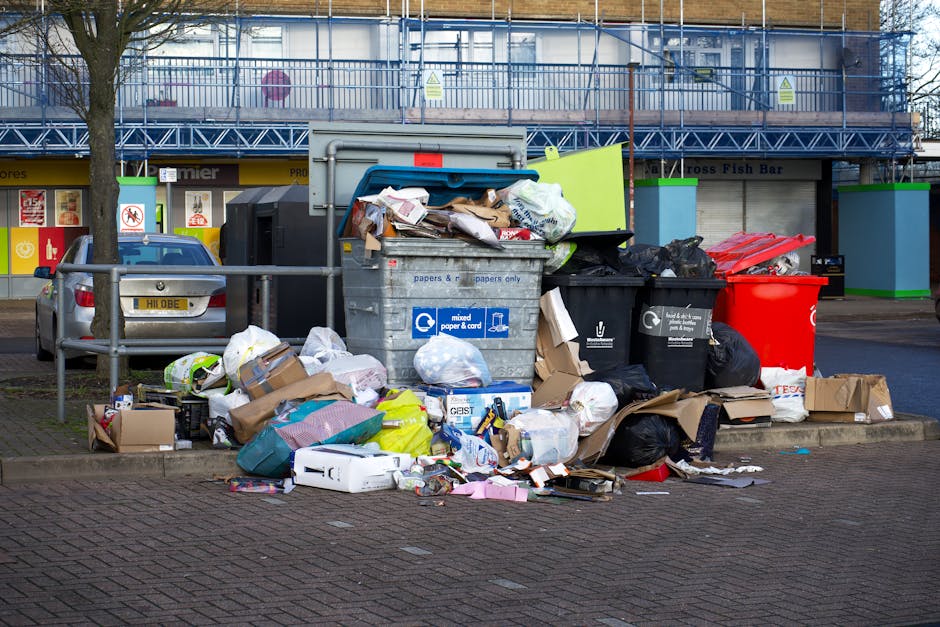
There is also the everyday reality of communal living. In a flat block, rubbish is visible. A mattress left in a corridor, a few bin bags propped in a lobby, or builders' waste dumped beside the bins can quickly become a nuisance. That is why a proper approach matters. It protects neighbours, keeps the building tidy, and reduces the risk of complaints from residents or managing agents.
For many people, this subject becomes relevant during a move, a renovation, a tenancy change, or a life event that creates more waste than usual. If you are also thinking about relocating or selling, it can help to read broader Lewisham-focused context such as selling homes in Lewisham or even the local feel of the area in insights from locals on whether Lewisham is ideal. These are different topics, of course, but they all connect when you are trying to keep a flat presentable and manageable.
Expert summary: In town centre flats, rubbish clearance is as much about access and coordination as it is about removal. The best outcome usually comes from planning before you start lifting.
How SE13 Rubbish Clearance Guide for Lewisham Town Centre Flats Works
At a practical level, rubbish clearance in a Lewisham flat follows a simple flow: assess what needs removing, decide what can be reused or recycled, check building access, and arrange collection or disposal. Sounds straightforward. In real life, the tricky bit is often the building itself.
Here is how it usually works in a flat setting:
- Assessment: You identify items by type and volume. For example, a few bin bags are very different from a wardrobe, a fridge freezer, and two chairs.
- Access check: You look at stairs, lift size, fire exits, loading restrictions, and whether there is space to park close enough for loading.
- Sorting: Items are separated into general waste, recyclable materials, reusable items, and anything that needs special handling, such as appliances.
- Collection method: Depending on the amount and type of rubbish, you might use a small clearance visit, a larger rubbish collection, or a more complete flat or house clearance service.
- Loading and removal: Items are carried out carefully, ideally with protection for walls, floors, and shared spaces.
- Disposal and recycling: Waste should be taken to appropriate facilities, with recyclable materials diverted where possible.
This is one reason many people compare a general waste removal service in Lewisham with a more targeted option like rubbish collection in Lewisham. The right choice depends on how much there is, what type of waste it is, and how awkward the access happens to be. Flats in the town centre can be deceptively simple until you try moving a wardrobe through a narrow landing. That's when the plan matters.
If the rubbish comes from renovation work, you may need a more specific solution such as builders waste disposal in Lewisham. If it is mostly old chairs, tables, or wardrobes, then furniture removal in Lewisham or furniture disposal may fit better.
Key Benefits and Practical Advantages
Clearance done well offers more than a tidy room. In a flat environment, the benefits are immediate and very visible.
- Less disruption for neighbours: Neat, efficient removal keeps communal areas clear.
- Better use of limited space: Flats in SE13 often need every cupboard and corner to work hard.
- Lower risk of injury: Bulky items carried down stairs can be awkward, especially if you are doing it alone.
- Cleaner handovers: Useful for tenants, landlords, and sellers who want a presentable flat.
- Improved recycling potential: A structured clearance makes it easier to separate reusable items.
- Fewer compliance issues: Proper disposal reduces the risk of fly-tipping or inappropriate waste handling.
There is also a mental benefit, and honestly people underestimate it. A flat feels lighter once the clutter goes. You hear the echo in a room again. You can open a cupboard without something falling out. Small thing, but it changes how the place feels day to day.
For landlords and agents, this matters for turnover too. A flat that has been cleared properly can be cleaned, photographed, and relisted much faster. That's useful in a fast-moving part of London, where timing can make a real difference.
Who This Is For and When It Makes Sense
This guide is useful for anyone dealing with waste in a flat, but especially for people in busy SE13 developments near Lewisham town centre. That often includes:
- tenants moving out and leaving behind unwanted items
- landlords preparing a flat between occupants
- homeowners decluttering after years of accumulation
- estate agents managing clearance before viewings
- property sellers getting a flat ready for the market
- people renovating kitchens, bedrooms, or living areas
- small offices or mixed-use flats with leftover equipment
It makes sense to arrange clearance when waste is too bulky for normal bin collection, when items are blocking access, or when you need the job done quickly and neatly. If you have just one item, like an old fridge or sofa, a dedicated service such as white goods and appliance disposal in Lewisham can be more sensible than a larger clearance. If the flat is full from top to bottom, a more complete option like house clearance in Lewisham may be the better fit, even if the property is technically a flat.
A quick note: if you are in the middle of letting or selling, it can also be worth reviewing practical local background like Lewisham real estate investment tips. Different angle, same bigger picture: a well-kept property is easier to manage and easier to move on from.
Step-by-Step Guidance
If you want a smooth clearance, the best approach is methodical. Not dramatic. Just sensible.
- Walk through the flat and list everything to remove. Separate general rubbish, furniture, appliances, recycling, and anything personal or valuable.
- Measure the awkward items. A sofa that looks manageable in the lounge can become a problem at the stairwell bend. Check door widths and lift dimensions if you can.
- Ask about building rules. Some blocks require lift bookings, limited access hours, or advance notice for moving bulky waste through communal spaces.
- Set aside items for donation or reuse. If something is still usable, keep it apart from mixed waste. It may save disposal cost and reduce landfill impact.
- Bag and box loose waste. Small items are far easier to handle when contained properly. Nothing fancy needed. Just sturdy bags and clear labels help.
- Protect flooring and corners. If you are moving items yourself, use blankets or cardboard in tight routes. Flats in town centres often have glossy communal floors that mark easily.
- Choose the right disposal route. Match the job to the service. Domestic rubbish, furniture, builders' waste, and appliances should not all be treated the same way.
- Confirm collection timing. In busy SE13 streets, timing matters. Early slots can be easier for parking and less disruptive for neighbours.
- Check what happens after collection. Ask whether items will be recycled, reused, or sent to a licensed facility. That is fair enough to ask.
One useful detail many people miss: do not leave the "maybe" items mixed in with the rest. If you are unsure whether a chair, lamp, or table is being kept, move it to a separate corner first. It sounds minor, but it avoids last-minute regret and accidental disposal. Happens more than you'd think.
Expert Tips for Better Results
Here are a few practical habits that make flat clearance easier in the real world.
1. Think in routes, not just piles
Before you move anything, picture the route from flat to vehicle. Is there a lift? Is the corridor tight? Are there fire doors to open and close repeatedly? If you map the route first, you avoid those awkward moments where three people are stuck with a wardrobe halfway through a doorway.
2. Separate by handling difficulty
Some items are not just heavy; they are awkward. Broken drawers, glass tops, and old appliances often need extra care. Keeping them apart makes loading safer and more organised. If white goods are involved, a service dedicated to appliance disposal in Lewisham is often the cleanest route.
3. Use the timing window wisely
Morning collections can work well in busy areas because lifts and entrances are quieter. By late afternoon, the building can feel more crowded, and parking is usually less forgiving. It's a small thing, but in town centre flats, small things become big things fast.
4. Ask for transparency on disposal
Reputable providers should be able to explain how your waste is handled. If sustainability matters to you, check the company's recycling and sustainability information. That helps set expectations and gives you a better sense of whether usable materials are being diverted responsibly.
5. Keep communication simple
Let neighbours or building management know if there will be bulky removals, especially if a lift will be used. A quick note can prevent irritation later. Nobody enjoys arriving home to find the lift pinned open with a mattress in it. True story? Well, close enough.

Common Mistakes to Avoid
Most clearance problems are not mysterious. They come from rushing, underestimating volume, or forgetting the flat-specific stuff.
- Leaving waste in communal areas: This can create safety issues and complaints very quickly.
- Assuming everything is general rubbish: Appliances, electronics, and renovation debris may need different treatment.
- Not checking access first: A job that looks simple on paper can become awkward with a lift restriction or narrow stairwell.
- Forgetting parking and loading time: Town centre traffic and limited stopping space can slow the entire process.
- Mixing reusable items with waste: That's an easy way to lose things that could have been donated or kept.
- Using unlicensed operators: This is a real risk. If someone dumps your waste illegally, the problem can come back to you.
There is one mistake I see all the time: people wait until the last evening before a move-out, then try to clear everything in a rush. It almost always ends in stress, an extra trip, or a very tired person staring at a hallway full of bagged junk at 10pm. Not ideal.
Tools, Resources and Recommendations
You do not need a van full of gear to manage a flat clearance, but a few basic tools make life easier.
- Heavy-duty bin bags: Better for mixed household waste and loose items.
- Moving blankets or cardboard sheets: Helpful for protecting floors and walls in narrow routes.
- Tape and labels: Useful for separating keep, donate, recycle, and dispose piles.
- Gloves: Very sensible for old furniture, broken edges, or dusty cupboards.
- Measuring tape: Handy if you need to check whether items fit through doors or lifts.
- Phone photos: Great for getting quotes, showing access issues, or documenting what needs removing.
As for service options, it helps to think in layers. A simple domestic waste collection service may be enough for a few bags and smaller items. Furniture-heavy jobs are better matched to furniture disposal. For larger clear-outs, you may need a broader property service such as loft clearance in Lewisham or a more general services overview to compare what is available.
If you like checking the practical side before booking, it is worth looking at pricing and quotes and the company's about us page. Those pages often help you judge whether the service is straightforward and well set up. And frankly, that matters.
Law, Compliance, Standards, or Best Practice
For rubbish clearance, compliance is not just a box-ticking exercise. It protects you, your building, and the wider environment. UK waste should be handled by an appropriate, legitimate operator, and it is sensible to check that any provider can explain how they manage transport and disposal. If you are unsure, ask directly about licensing and compliance before booking.
In a flat setting, best practice usually includes:
- keeping fire exits and corridors clear
- avoiding obstruction of communal access routes
- sorting items responsibly where possible
- using a waste carrier who can show compliance
- handling electricals and appliances appropriately
- protecting shared property from damage during removal
It is also worth checking the provider's guidance on waste carrier licence and compliance and their insurance and safety details. Those pages can tell you a lot about how seriously they take proper disposal and site safety. A little due diligence goes a long way. Really, it does.
If you are a tenant, remember that your tenancy agreement or building rules may also set out what is allowed in shared spaces. If you are a landlord or managing agent, the expectation is even clearer: the property should be left tidy, safe, and ready for the next stage.
Options, Methods, or Comparison Table
There is no single "best" method for every flat. The right choice depends on the type of waste, how much you have, and how quickly it needs to go. Here is a simple comparison.
| Option | Best for | Strengths | Trade-offs |
|---|---|---|---|
| Self-clearance | Small amounts of bagged waste | Flexible, low upfront cost if you already have transport | Time-consuming, physically demanding, parking and lift issues remain |
| Rubbish collection | Mixed household waste or a few bulky items | Fast, convenient, less effort for residents | Less suitable for full-property clear-outs |
| Furniture disposal | Sofas, tables, beds, wardrobes | Handles awkward bulky pieces efficiently | May not cover general waste or appliances in one visit |
| Appliance removal | Fridges, freezers, washing machines, cookers | Safer for heavy white goods, more specialised handling | May need separate booking if combined with other waste |
| Full flat clearance | End-of-tenancy, probate, major decluttering, moving out | Most complete option, saves time and coordination | Usually the largest job and needs the best planning |
If you are unsure, start by grouping the waste into "bagged items", "bulky furniture", "appliances", and "special items". That simple split usually makes the next decision much clearer. It's almost boringly effective.
Case Study or Real-World Example
Imagine a two-bedroom flat near Lewisham town centre after a tenancy ends. The occupier has left a sofa, a broken desk, several bin bags of mixed household waste, and an old fridge that no longer works. The hallway is narrow, the lift is small, and the building has a shared bin store downstairs. On paper, it sounds like a mess. In reality, it is a very normal kind of flat clearance job.
The sensible approach would be:
- identify the fridge as a separate appliance item
- remove loose waste in strong bags so it can be carried safely
- measure the sofa to check the easiest route out
- notify building management if the lift is needed for a set time
- book a clearance provider that handles both furniture and general waste
That job could also involve one of the more specific services, such as furniture removal in Lewisham plus white goods disposal, rather than trying to solve everything with one vague plan. The right split depends on the mix of items. You do not want a provider turning up expecting bags when the real issue is a fridge and a sofa trapped in a 1960s-style corridor. That happens, and then everyone sighs together.
A second example: a resident downsizing from a one-bedroom flat has just enough items to warrant a small clearance, not a full household service. In that case, a targeted rubbish collection may be all they need, especially if the rest is being donated or taken away in stages. The key is matching the service to the actual job, not the emotional size of the job. Which, lets face it, can feel bigger than it is when you are staring at years of accumulated bits and bobs.
Practical Checklist
Use this quick checklist before collection day.
- List all items to be removed
- Separate reusable, recyclable, and general waste
- Measure bulky furniture and appliances
- Check lift size, stair access, and entry routes
- Confirm parking or loading access near the building
- Review building rules or notify management if needed
- Protect floors, walls, and communal areas
- Remove personal valuables and documents first
- Keep clear labeling for items to keep or donate
- Ask how waste will be handled after collection
Practical takeaway: if you can answer the questions "what is it?", "how does it leave the flat?", and "where does it go next?", you are already ahead of most rushed clear-outs.
Conclusion
Rubbish clearance in Lewisham town centre flats is not just about getting rid of stuff. It is about doing it in a way that fits shared living, limited access, and the everyday pressures of city life. A calm plan usually beats a frantic one. Every time.
Whether you need a few bags taken away, an old sofa removed, or a full flat cleared before a move, the main principles stay the same: sort first, plan the route, respect communal spaces, and choose a service that matches the waste you actually have. That's the heart of a good SE13 rubbish clearance guide for Lewisham town centre flats - practical, tidy, and considerate.
If you are comparing options, take a little time to review the relevant service pages, compliance details, and pricing information so you can book with confidence rather than guesswork. A good clearance should make life easier, not more complicated.
Get a free quote today and see how much you can save.
And once the last bag is gone and the flat feels open again, that quiet little moment is worth quite a lot.